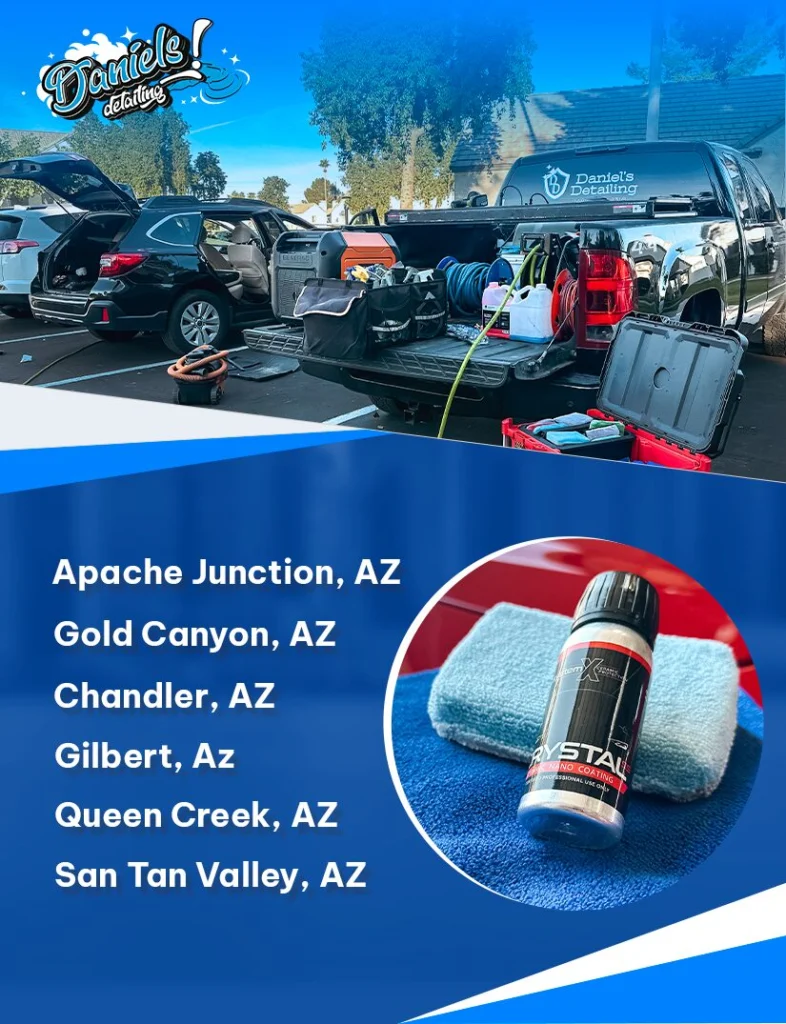
A basic car wash and professional auto detailing aren’t the same service scaled differently — they’re built to solve different problems. A wash is designed for speed and routine surface cleaning: rinse off loose dirt, run it through a brush or touchless system, dry it, done. Professional detailing goes further, addressing the contamination, buildup, and surface condition that a quick wash isn’t built to touch — inside and out, and often as preparation for something more involved down the line.
That distinction matters more than it sounds like it should, because a lot of vehicle owners assume “clean” means the same thing regardless of which service produced it. It doesn’t. Here’s what actually separates the two, and how to tell which one your vehicle needs right now.
What a Basic Car Wash Is Actually Designed to Do
A car wash — whether automatic, touchless, or a self-serve bay — exists to remove loose surface dirt quickly and affordably. That’s a legitimate, useful service for routine upkeep between more thorough cleanings. It’s not a criticism of car washes to say their scope is limited by design: they’re built around speed and volume, not surface-level decontamination or interior detail work. A wash typically won’t touch bonded contamination stuck to the paint, won’t address interior surfaces beyond maybe a quick vacuum, and won’t inspect or correct the paint’s actual condition.
What Professional Auto Detailing Actually Covers
Professional auto detailing is built around a more thorough process — decontamination that addresses bonded surface grime a standard wash leaves behind, careful wheel and tire cleaning, and generally a level of attention to detail that a high-volume wash isn’t set up to provide. Daniel’s Detailing structures this across tiers, from a lighter maintenance-level service up through more comprehensive options, so the scope can match what a given vehicle actually needs rather than defaulting to one standard package regardless of condition.
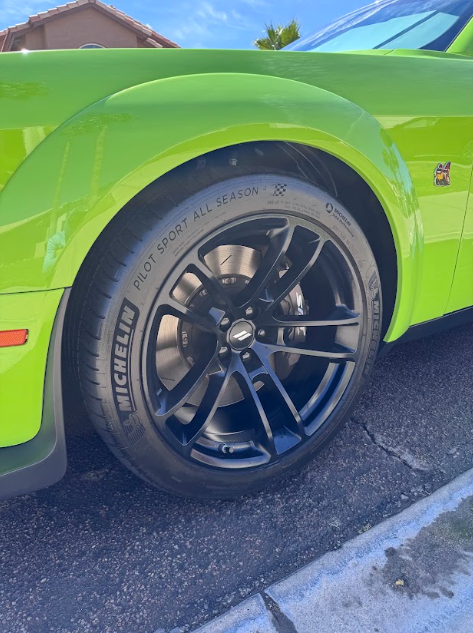
Exterior Cleaning vs. Detailed Surface Care
The exterior difference isn’t just “more thorough washing.” Detailing typically includes decontamination steps aimed at surface-bonded contamination — the kind of buildup that a wash’s soap and rinse cycle doesn’t fully remove. Wheels and tires get particular attention too, since brake dust and road grime tend to accumulate there faster than anywhere else on the vehicle and are easy for a quick wash to skip past.
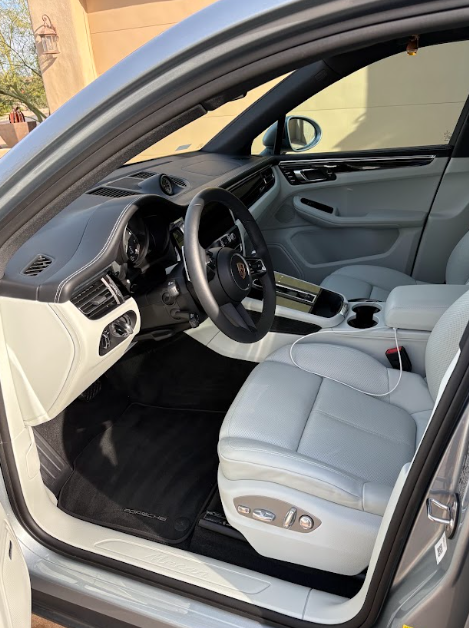
Interior Cleaning: Where the Difference Is Most Obvious
This is usually where the gap between a wash and real detailing is most noticeable. A wash might include a basic interior wipe-down or vacuum at best. Interior detailing addresses dust, debris, and buildup on upholstery and interior surfaces more thoroughly — genuinely relevant in Arizona, where dust accumulates fast and interior surfaces take a beating from sustained heat and sun exposure. Daniel’s Detailing offers interior service at multiple tiers, from a lighter refresh up through a more heavy-duty option for vehicles that need real attention.
Paint Contamination and Decontamination
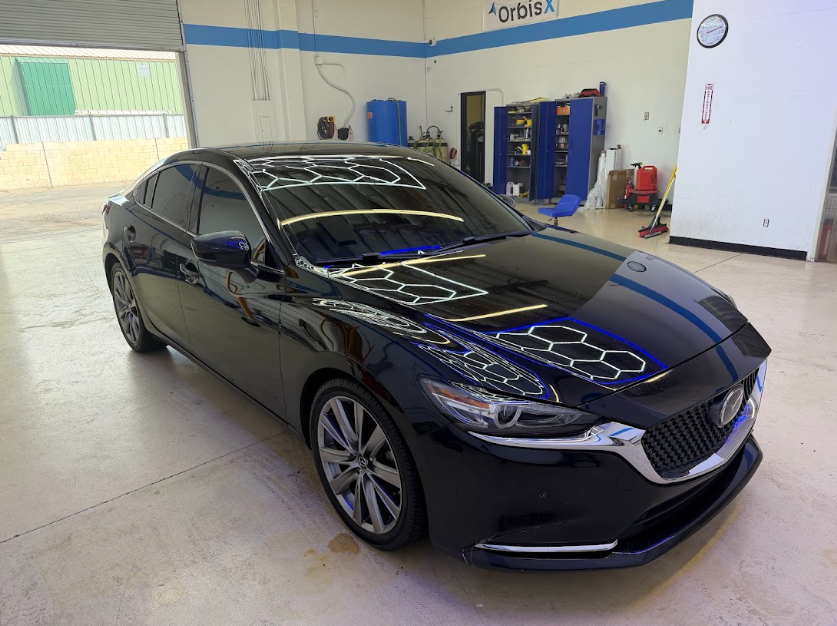
Paint picks up more than what a rinse removes — embedded contamination, light residue, and buildup that accumulates over weeks of regular driving. Professional detailing’s decontamination process is built specifically to address that layer, which matters not just for appearance but because it affects how well any future protection service (paint correction, ceramic coating) can actually bond to a clean surface.
When a Basic Wash Is Genuinely Enough
It’s worth being direct here: a basic wash is a perfectly reasonable choice for routine upkeep between more thorough services. If a vehicle was recently detailed and just needs the last week’s dust rinsed off, a wash covers that fine. Detailing doesn’t need to happen every single time a vehicle looks dusty — that’s an unnecessary expense for a problem a wash already solves well enough on its own.
When Professional Detailing Makes More Sense
Professional detailing becomes the more relevant choice when contamination has built up beyond what a wash addresses, when the interior needs real attention rather than a quick wipe-down, or when a vehicle is being prepared for a protection service like paint correction or ceramic coating. It’s also a reasonable periodic reset even for a well-maintained daily driver — not because anything’s wrong, but because bonded contamination accumulates gradually in ways that aren’t always obvious until it’s addressed.
Auto Detailing and Wash Type: A Quick Comparison
| Service / Option | Primary Purpose | Best Fit |
|---|---|---|
| Basic car wash | Fast removal of loose surface dirt | Routine upkeep between more thorough services |
| Professional auto detailing | Decontamination, wheels/tires, and detailed surface care | Vehicles needing a deeper reset or regular maintenance beyond a quick rinse |
| Interior detailing | Dust, debris, and upholstery/surface cleaning | Daily drivers, family vehicles, and interiors that see heavy Arizona dust exposure |
| Paint correction | Reducing the appearance of swirl marks, light scratches, and oxidation | Vehicles with visible paint defects, especially before a protection service |
| Ceramic coating | Surface protection, gloss, and easier ongoing maintenance | Vehicles with paint already in the condition the owner wants preserved |
How Detailing Supports Paint Correction and Ceramic Coating
Detailing isn’t just a standalone service — it’s often the first step before more involved work down the line. A thorough decontamination clears the surface so paint correction can actually address what’s underneath rather than working over residual grime, and it’s a reasonable precursor to ceramic coating for the same reason: coating bonds to whatever condition the paint is in, so starting from a genuinely clean surface matters quite a bit for the final result. We cover that specific relationship — whether correction should happen first — in our guide to paint correction before ceramic coating.
Detailing for Different Vehicle Situations
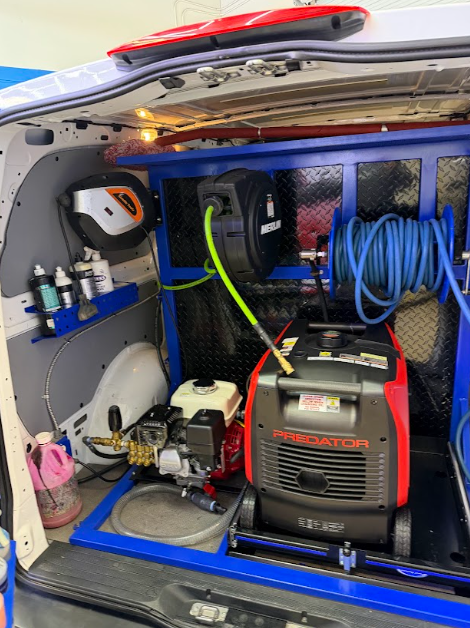
A daily driver accumulating regular Arizona dust and sun exposure benefits from more frequent attention than a garage-kept vehicle driven occasionally on weekends. Families with kids or pets tend to need more interior-focused attention than a single-owner commuter vehicle. None of this means every vehicle needs the same package — it means the right scope depends on actual use, not a one-size-fits-all default. For owners who want the full convenience angle on top of this, mobile detailing across the Phoenix area brings the service to the vehicle rather than the other way around, and our full breakdown of professional interior detailing goes deeper into what that specific service covers.
If you’re weighing whether your vehicle needs paint correction before any protection work, or wondering whether ceramic coating actually makes sense given Arizona’s climate, those are genuinely separate questions from “wash vs. detail” — we cover whether correction should come first and whether ceramic coating makes sense in Arizona in dedicated guides. Tesla owners specifically have their own set of considerations here too, covered in our Tesla-specific detailing guide.
Frequently Asked Questions
What is the difference between auto detailing and a car wash?
A car wash removes loose surface dirt quickly. Professional auto detailing goes further — addressing bonded surface contamination, wheels and tires in more depth, and interior surfaces beyond a quick wipe-down. They’re built for different levels of thoroughness, not the same job at different speeds.
How often should a car be professionally detailed?
It depends on usage and exposure rather than a fixed schedule. A daily driver parked outside in Arizona dust and sun typically needs more frequent attention than a garage-kept vehicle driven occasionally. There’s no universal interval that fits every vehicle.
Does detailing remove scratches?
Not on its own. Standard detailing focuses on cleaning and surface care rather than correcting paint defects. Reducing the appearance of scratches and swirl marks is the job of paint correction, done as a separate, more involved process.
Is interior detailing part of professional auto detailing?
Interior detailing is typically offered as its own distinct service with its own tiers, focused specifically on dust, debris, and upholstery care, rather than automatically bundled into every exterior detailing service. Confirm what’s included with your specific package.
Is professional detailing worth it for a daily driver?
For most daily drivers, especially in a dusty, sun-heavy climate like Arizona’s, yes — the contamination and interior buildup that accumulates from regular use tends to exceed what routine washing alone addresses over time.
Should a vehicle be detailed before ceramic coating?
Generally, yes. A thorough decontamination clears the surface of bonded contamination so a coating bonds to genuinely clean paint rather than sealing in residue. Whether paint correction is also needed depends on the paint’s actual condition, which is a separate question covered in our correction guide.
Is mobile detailing different from a regular car wash?
Yes, in scope rather than location. Mobile detailing brings the same thorough decontamination and detail-level service to the vehicle’s location instead of requiring a shop visit — it’s professional detailing’s actual scope, just delivered conveniently rather than a lighter version of it.