It can be genuinely worthwhile for Arizona vehicle owners who want easier maintenance, improved gloss, and additional resistance to common environmental contamination, but it does not eliminate washing or protect against rock chips. Arizona’s climate creates a specific set of demands on unprotected paint — intense summer sun, dust that settles fast, and a monsoon season that brings its own contamination — and ceramic coating addresses some of that more directly than others.
This guide walks through what actually matters for an Arizona ownership decision specifically, rather than a generic list of coating benefits that would apply the same way anywhere in the country regardless of climate.
What Arizona Conditions Actually Affect This Decision
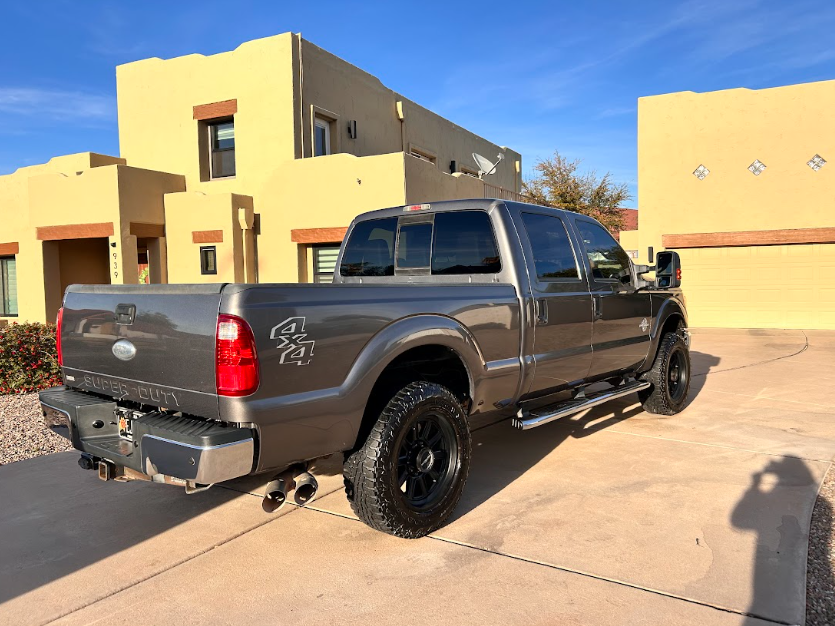
Sun and heat. Extended, intense sun exposure gradually dulls unprotected paint and accelerates how quickly wax breaks down over just a few months. A bonded ceramic coating holds up better against this kind of UV-related wear than wax does, helping the finish retain gloss longer under the same exposure — a meaningful difference over the course of a long Arizona summer rather than a single hot week.
Dust. Arizona’s dry, dusty conditions mean a vehicle parked outside accumulates a fine layer of grit fast, sometimes within a single day of being freshly washed. A coated surface makes that dust easier to rinse away during a wash, though it still needs to be washed off in a reasonable timeframe rather than left to sit and grind into the surface every time the wind picks up.
Monsoon season. Seasonal storms bring a genuinely different kind of contamination — heavier rain, blowing dust mixed with moisture, and the water-spotting risk that comes with water sitting on a hot surface and evaporating unevenly. Coating’s hydrophobic behavior helps water bead and run off rather than drying in place, which reduces (though doesn’t eliminate) that specific risk during and after a storm.
Outdoor parking and daily commuting. Vehicles parked outside and driven regularly accumulate more of all of the above than a garage-kept vehicle. This is where coating’s easier-maintenance benefit tends to matter most, simply because there’s more contamination to deal with on a consistent basis, week after week, rather than the occasional dusty afternoon.
What Ceramic Coating Actually Helps With Here
Ceramic coating helps with hydrophobic behavior (water beads and sheets off more readily instead of spotting), gloss retention under sustained sun exposure, and easier removal of dust and light contamination during regular washing. Daniel’s Detailing’s ceramic coating tiers range from a shorter-duration option up through longer-lasting tiers, giving owners a choice based on how long they want that protection to hold up without needing reapplication down the road.
What Ceramic Coating Does Not Help With
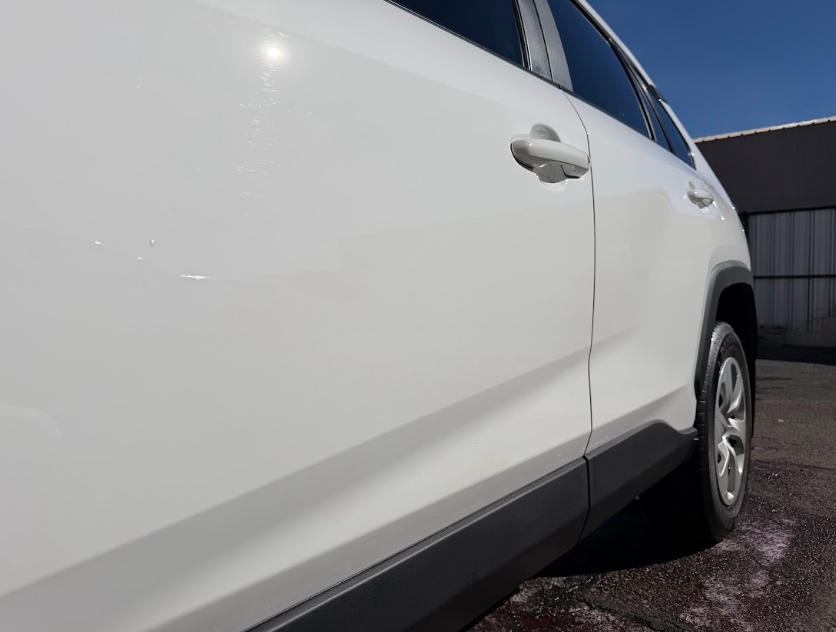
Coating does not stop rock chips. It’s a thin, bonded chemical layer, not a physical barrier with the thickness to absorb an impact — a rock kicked up on the highway reaches the paint the same way whether or not the surface is coated. It also doesn’t eliminate the need for washing; contamination still lands on a coated surface, it’s just easier to remove once it’s there. And it doesn’t make a vehicle maintenance-free — regular washing habits still matter for getting the most out of a coating over its full duration, especially in a climate where dust and monsoon contamination show up regularly rather than occasionally.
Does a Coated Vehicle Still Need Detailing?
Yes. Ceramic coating reduces how much effort routine washing takes, but it doesn’t replace washing altogether, and it doesn’t replace periodic professional detailing either. A coated vehicle still benefits from a more thorough decontamination periodically, since some contamination — bonded organic residue, embedded grime from dusty conditions — needs more than a routine wash to fully address, coated or not. Thinking of coating as a replacement for ongoing care rather than a supplement to it is one of the more common ways owners end up disappointed with the results over time.
Arizona Ownership Scenarios
| Arizona Ownership Scenario | Ceramic Coating Consideration | Why |
|---|---|---|
| Outdoor daily driver | Strong candidate | Consistent dust, sun, and contamination exposure make the easier-maintenance benefit most relevant and noticeable here |
| Garage-kept vehicle | Still beneficial, less urgent | Lower day-to-day exposure means the case is less pressing, but gloss and general protection benefits still genuinely apply |
| New vehicle | Worth considering early | Protects the original finish before wear accumulates, especially relevant given the intensity of Arizona sun exposure over time |
| High-mileage commuter | Worth considering, alongside PPF for rock-chip-prone areas if that’s a separate concern | Coating addresses environmental exposure over time; physical impact protection is a genuinely different product entirely |
| Owner focused on easier maintenance | Strong candidate | Coating’s core, most consistent benefit across every ownership scenario is making routine washing faster and less demanding |
When Regular Detailing Alone May Be Enough
Not every vehicle needs ceramic coating to be well cared for. An owner who details regularly, doesn’t mind the maintenance routine, and isn’t especially focused on gloss retention or gaining time back on washing may reasonably decide coating isn’t worth the investment for their specific situation. That’s a legitimate conclusion, not a lesser one — coating solves a specific set of problems, and if those problems aren’t really bothering you, regular detailing on its own covers routine care just fine, even in a demanding climate like Arizona’s.
When Paint Correction Should Happen First
If the paint already has visible swirl marks, oxidation, or scratches — which is common on vehicles that have been through years of Arizona sun and automatic car washes — that condition should generally be addressed before coating, since coating locks in whatever surface condition exists at the time of application. We cover this specifically in whether correction should come first, and it’s worth reading before committing to a coating tier if your vehicle shows any visible wear from prior years of ownership.
Maintaining a Coating in Arizona’s Climate
Coating’s benefits depend partly on how it’s maintained afterward. Maintaining a ceramic coating properly — regular washing with appropriate products, prompt attention to bird droppings and tree sap before they bake onto a hot surface — matters more in a climate where the sun accelerates almost everything, including neglect. A wash that gets put off for a couple of weeks in a milder climate can turn into a genuinely stubborn cleaning problem in Arizona once dust, sap, and monsoon-season residue have had a chance to bake on under direct sun. For owners who want the convenience angle covered too, mobile detailing across the Phoenix area brings that maintenance routine to the vehicle rather than requiring a shop visit every time.
For the fundamentals of what detailing covers versus a basic wash, see our comparison guide. Tesla owners specifically have their own version of this Arizona ownership question, shaped by their own vehicle’s particular ownership patterns, covered in our Tesla-specific detailing and coating guide.
Frequently Asked Questions
Is ceramic coating worth it in Arizona?
For most owners who wash their own vehicle regularly and deal with Arizona’s sun, dust, and monsoon-season exposure, yes — the easier maintenance and gloss retention tend to justify it. It matters less for vehicles that are rarely driven or kept in a fully enclosed garage with minimal outdoor exposure.
Does ceramic coating help with Arizona dust?
Yes, indirectly. Coating doesn’t prevent dust from landing on the vehicle, but it makes that dust easier to rinse away during regular washing, since less of it bonds tightly to the surface compared to uncoated paint.
Does ceramic coating protect against sun damage?
It helps. Coating’s UV resistance supports better gloss retention under sustained sun exposure compared to unprotected paint or wax, though it doesn’t make paint completely immune to the cumulative effects of years of intense sun.
Does ceramic coating prevent water spots?
It reduces the risk but doesn’t eliminate it. Coating’s hydrophobic behavior helps water bead and run off rather than sitting and evaporating in place, which is the main cause of mineral-deposit water spotting, but prompt drying after washing still matters.
Is ceramic coating good for cars parked outside?
Yes, this is one of the scenarios where coating tends to deliver the most noticeable practical benefit, since outdoor-parked vehicles accumulate more dust, sun exposure, and monsoon-season contamination between washes than garage-kept vehicles do.
Does a coated vehicle still need detailing?
Yes. Coating reduces how much effort routine washing takes, but it doesn’t replace washing, and periodic professional detailing still helps address contamination that builds up beyond what routine washing covers.
Should paint correction happen before ceramic coating?
Generally, yes, if the paint has visible swirl marks, oxidation, or scratches. Coating locks in whatever condition exists at the time of application, so addressing defects through correction first tends to produce a better long-term result.