Tesla ownership doesn’t require a fundamentally different approach to detailing, paint correction, or ceramic coating — but a few things about how Teslas get driven, delivered, and used are worth thinking through specifically. Whether a new delivery needs inspection before protection work, how daily commuting and Arizona exposure affect the decision, and what routine care looks like for a vehicle that tends to rack up regular local driving are all genuinely relevant questions for Tesla owners deciding how to care for their vehicle long-term.
This guide walks through those exact considerations directly and honestly, without leaning on unverified claims about Tesla paint being unusually thin, soft, or problematic — claims that show up a lot in detailing marketing without solid backing, and that don’t actually help an owner make a better decision about their own vehicle.
Tesla Exterior Care: Same Principles, Specific Considerations
Professional detailing works the same way for a Tesla as it does for any other vehicle — decontamination, careful wheel and tire attention, and a level of care a basic wash doesn’t provide. What’s specifically worth considering for Tesla owners is less about the paint itself and more about ownership patterns: Teslas are frequently daily-driven, often accumulate real mileage quickly, and in Arizona specifically deal with the same sun and dust exposure every other daily driver faces, regardless of what’s under the hood — or in this case, what isn’t.
Should a New Tesla Be Inspected Before Protection Work?
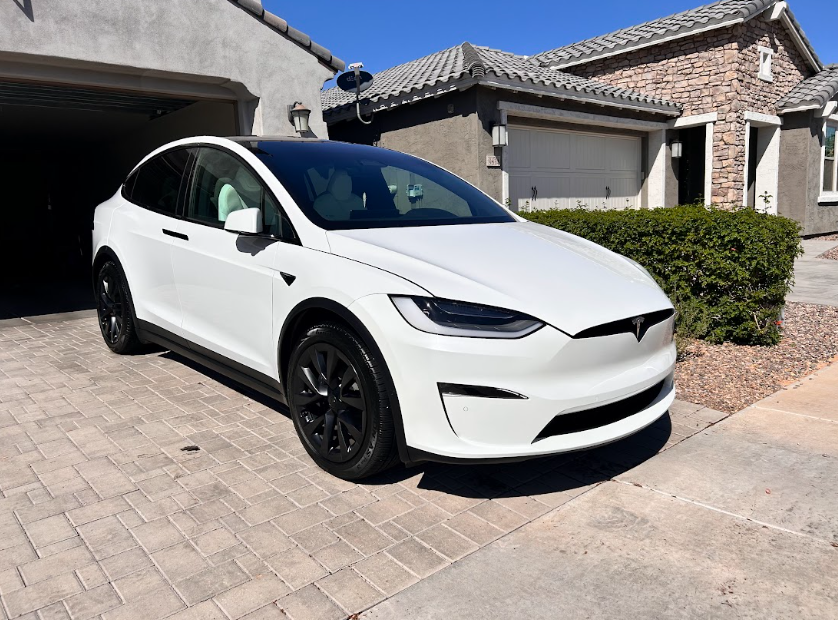
Yes, generally — and this is true for any new vehicle, not something specific to Tesla. Even a brand-new delivery can have minor paint imperfections from the manufacturing and delivery process, and inspecting the paint under proper lighting before applying paint correction or ceramic coating is the only reliable way to know what you’re actually working with. Assuming a new vehicle’s paint is automatically flawless — Tesla or otherwise — skips a step that matters for how the final protection work turns out, and it’s a step worth insisting on regardless of what brand of vehicle just arrived in the driveway.
Does a New Tesla Need Paint Correction?
It depends on the specific vehicle’s delivery condition, not a blanket rule for the brand. Some new Teslas arrive with minimal visible defects and need little more than a light polish or thorough decontamination before coating goes on. Others show swirl marks or light imperfections from handling and transport that would benefit from correction first, before anything protective locks that condition in permanently. We cover this exact question in more depth in whether correction should come first, and the same logic applies regardless of what vehicle you drive — the manufacturer badge on the trunk doesn’t change how clear coat behaves under a swirl-finder light.
Ceramic Coating for Tesla Owners in Arizona
Ceramic coating offers Tesla owners the same benefits it offers any Arizona vehicle owner — hydrophobic behavior, gloss retention under sustained sun exposure, and easier removal of dust and light contamination during routine washing. Nothing about Tesla ownership changes that calculus. We go into the Arizona-specific reasoning in detail in whether ceramic coating makes sense in Arizona, and the same considerations — outdoor parking, daily commuting, monsoon season — apply whether the vehicle is a Tesla or anything else parked in the same driveway.
Tesla Ownership Scenarios
| Tesla Owner Scenario | Service to Consider | Why |
|---|---|---|
| New Tesla | Paint inspection, then correction if needed, then coating | Confirms actual delivery condition before locking anything in permanently with a protective layer |
| Daily commuter | Ceramic coating + regular detailing | Consistent Arizona exposure from daily driving makes easier maintenance genuinely valuable over time |
| Outdoor-parked Tesla | Ceramic coating, prompt attention to contamination | Sun and dust exposure accumulate the same way as any other outdoor-parked vehicle in this climate |
| Interior-heavy family use | Interior detailing on a regular schedule | Frequent use and passengers accelerate interior wear regardless of vehicle brand or model |
| Tesla with visible paint defects | Paint correction before any protective service | Existing swirl marks or scratches get locked in permanently by coating rather than resolved by it |
Interior Detailing for Daily-Use Teslas
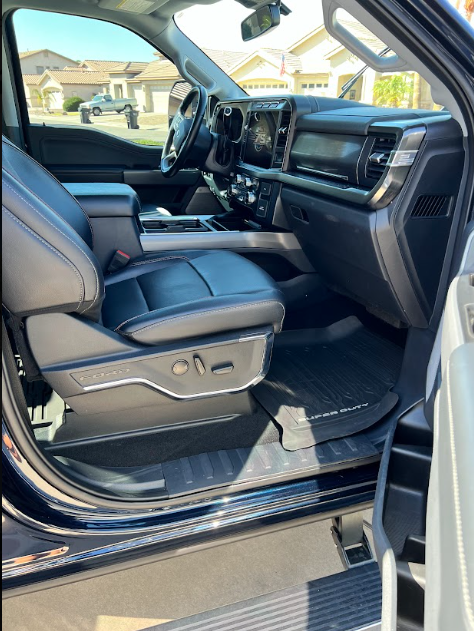
Teslas that see regular daily use accumulate the same kind of interior wear as any other daily driver — dust, general use residue, and the effects of Arizona heat on interior surfaces over time, especially given how much glass area many Tesla models have compared to a typical vehicle. Interior detailing addresses that directly, and there’s nothing about Tesla interiors specifically that requires a fundamentally different process than what’s appropriate for any other vehicle’s upholstery and surfaces, regardless of how the cabin is laid out or how many screens it has.
Mobile Detailing for Busy Tesla Owners
Convenience matters here as much as it does for any vehicle owner, and mobile detailing brings professional service directly to the vehicle’s location rather than requiring a shop visit at all. This is covered in more depth in our existing post on mobile Tesla detailing for busy owners, which focuses specifically on that convenience angle for owners with limited time to spare between work, errands, and everything else that fills up a typical week.
When Detailing Alone May Be Enough
Not every Tesla owner needs paint correction or ceramic coating to keep their vehicle in genuinely good shape. An owner who’s satisfied with regular detailing, doesn’t have specific concerns about gloss retention or long-term paint protection, and doesn’t mind the maintenance routine that comes without a coating may reasonably decide detailing alone covers what they need. That’s a perfectly reasonable choice, not a lesser one — it just reflects a different set of priorities than an owner chasing maximum gloss and minimal upkeep over the long run.
When Ceramic Coating May Be the Right Call
Ceramic coating tends to make the most sense for Tesla owners who drive daily, park outside regularly, or simply want to reduce how much effort routine washing takes over the entire life of the vehicle. It’s also a common choice for owners who want to preserve a new vehicle’s finish from the earliest point of ownership, before Arizona’s sun and dust have had a chance to accumulate any real wear on a finish that’s currently still in its best possible condition.
Bringing It Together for Tesla Owners
None of the decisions here are meaningfully different from what any other vehicle owner in Arizona faces — the same detailing-versus-wash question covered in our comparison guide, the same paint-preparation logic covered in our correction guide, and the same climate-specific reasoning covered in our Arizona ceramic coating guide. Tesla ownership doesn’t change the underlying logic; it just means applying that same logic to a vehicle that tends to be driven often, cared about closely by its owner, and parked outside in the same sun and dust as every other car on the block.
Frequently Asked Questions
Is ceramic coating good for a Tesla in Arizona?
Yes, for the same reasons it’s worthwhile for any Arizona vehicle owner — easier maintenance, gloss retention under sun exposure, and reduced effort dealing with dust and monsoon-season contamination. Nothing about Tesla ownership changes that general reasoning.
Does a new Tesla need paint correction?
It depends on the specific vehicle’s delivery condition. Some new Teslas have minimal visible defects and need little correction, while others show minor imperfections from manufacturing or transport that benefit from correction before any protective service is applied.
How often should a Tesla be detailed?
It depends on usage rather than a fixed interval — a Tesla driven daily and parked outside in Arizona typically needs more frequent attention than one kept in a garage and driven occasionally, the same as any other vehicle.
Is mobile detailing useful for Tesla owners?
Yes, particularly for busy owners who’d rather not schedule a shop visit. Mobile detailing brings the same professional service to the vehicle’s location, which is covered in more detail in our dedicated post on mobile Tesla detailing.
Can ceramic coating prevent Tesla paint scratches?
No. Ceramic coating is a thin, bonded layer that helps with gloss and environmental resistance, not a physical barrier capable of preventing scratches or impacts. This is true for Tesla paint the same way it’s true for any vehicle’s paint.
Should Tesla interiors be professionally detailed?
For daily-driven Teslas especially, yes — interior detailing addresses dust, general wear, and heat-related interior effects the same way it would for any other daily driver’s vehicle, with no unique process required specifically for Tesla interiors.
Can ceramic coating and regular detailing be used together?
Yes, and they typically should be. Ceramic coating reduces how much effort routine washing takes, but it doesn’t replace washing or periodic detailing — the two work together rather than one substituting for the other.